When scaling the number of e-commerce accounts across platforms, using proxies is crucial to avoid linking accounts together and reducing the risk of being banned. Proxies not only need to work but also need to be “clean” and suitable for their intended purpose. So, how can you check if your proxy is “good”? Let’s walk through the detailed steps below.
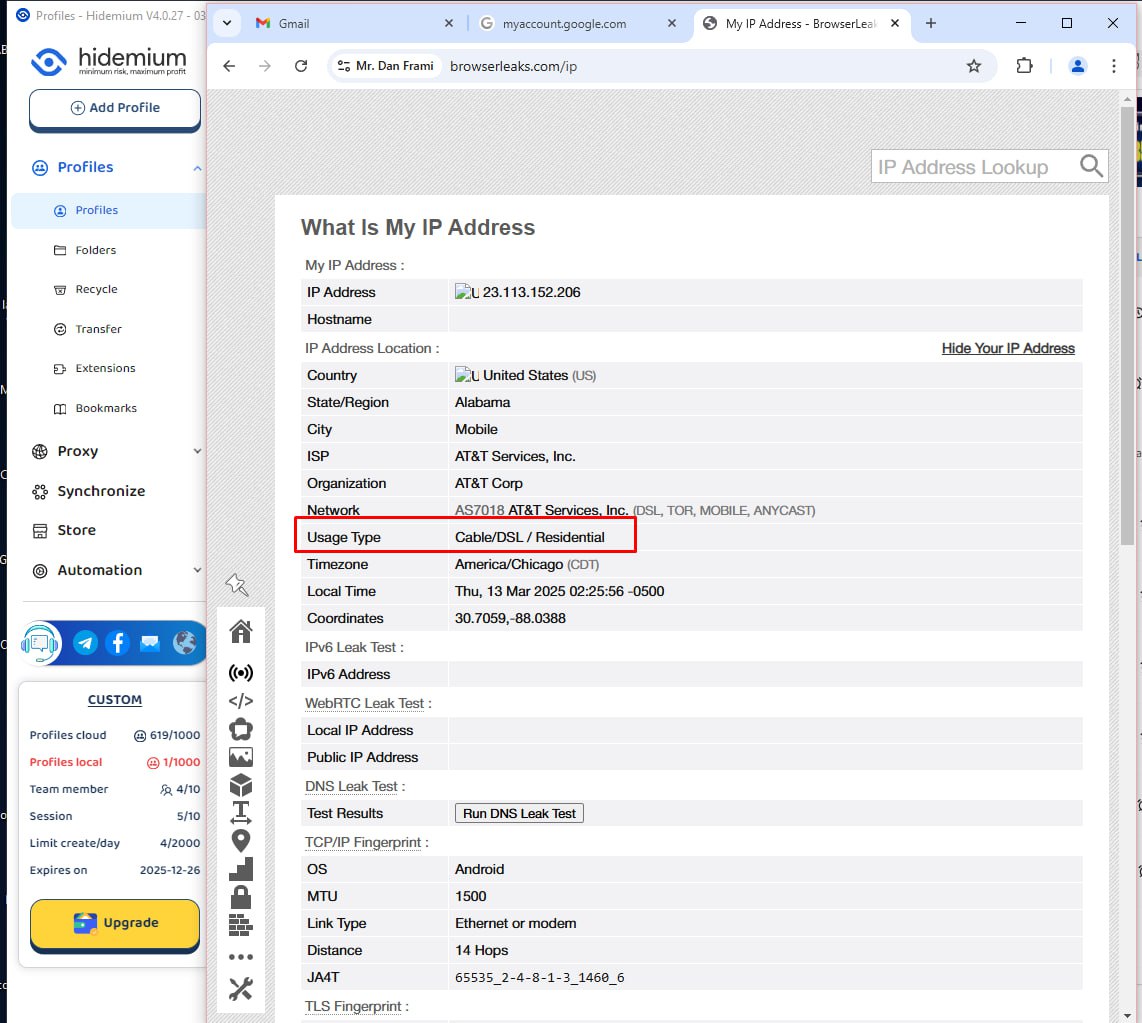
Step 1: Identify the type of proxy using BrowserLeaks
First, you need to know which type of proxy you are using, ranked from most reliable to least: mobile proxy > residential proxy > business proxy > datacenter proxy. The type of proxy directly impacts its reliability and its ability to bypass TikTok’s verification system.
How to check:
- Visit the website: https://browserleaks.com/ip.
- Connect the proxy you want to test to your browser or emulator.
- Reload the BrowserLeaks page and scroll down to the “Usage Type” section.
Check the results:
- MOB (Mobile): This is a mobile proxy, the “best” type, least likely to be flagged as it’s linked to real mobile devices.
- RES (Residential): Residential proxy, also very good, linked to real user IP addresses via an ISP.
- COM (Commercial/Business): Business proxy, slightly less reliable.
- DCH (Datacenter): Datacenter proxy, cheap but easy to detect and block.
Note: You should prioritize mobile or residential proxies for long-term safety. Datacenter proxies are cheap but come with high risks, especially when managing many accounts.
Step 2: Check with other trusted proxy check sites
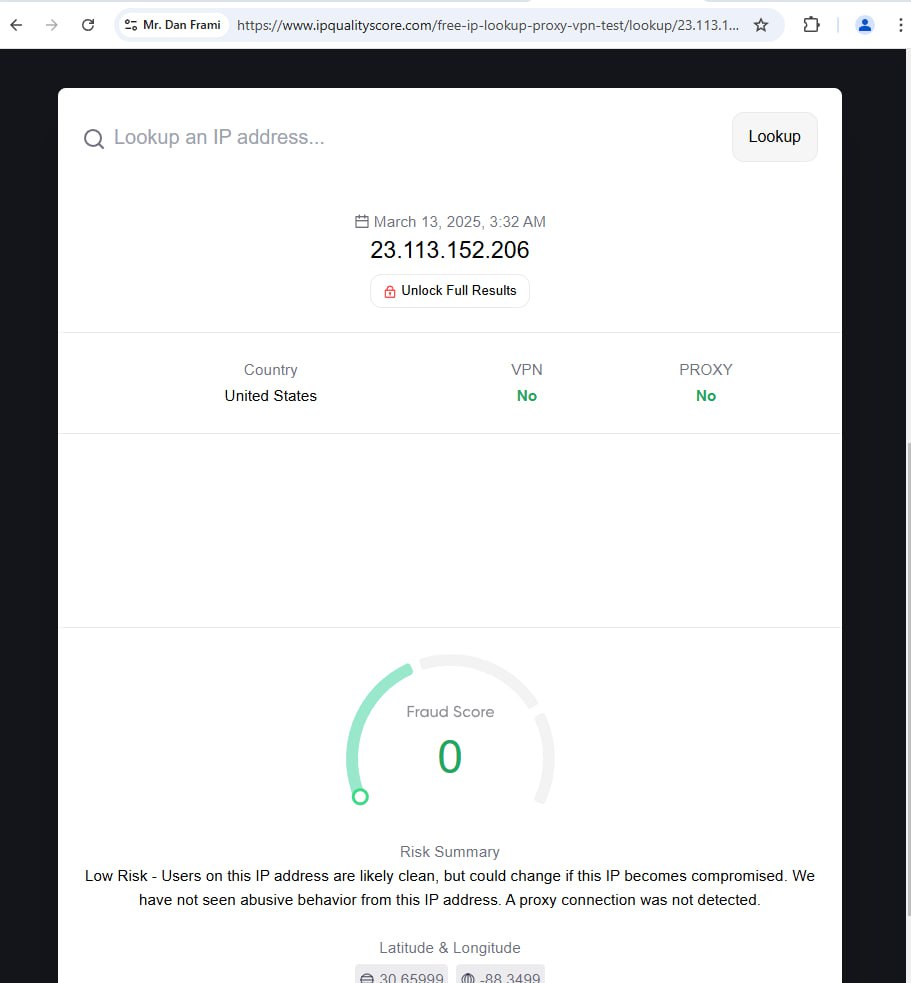
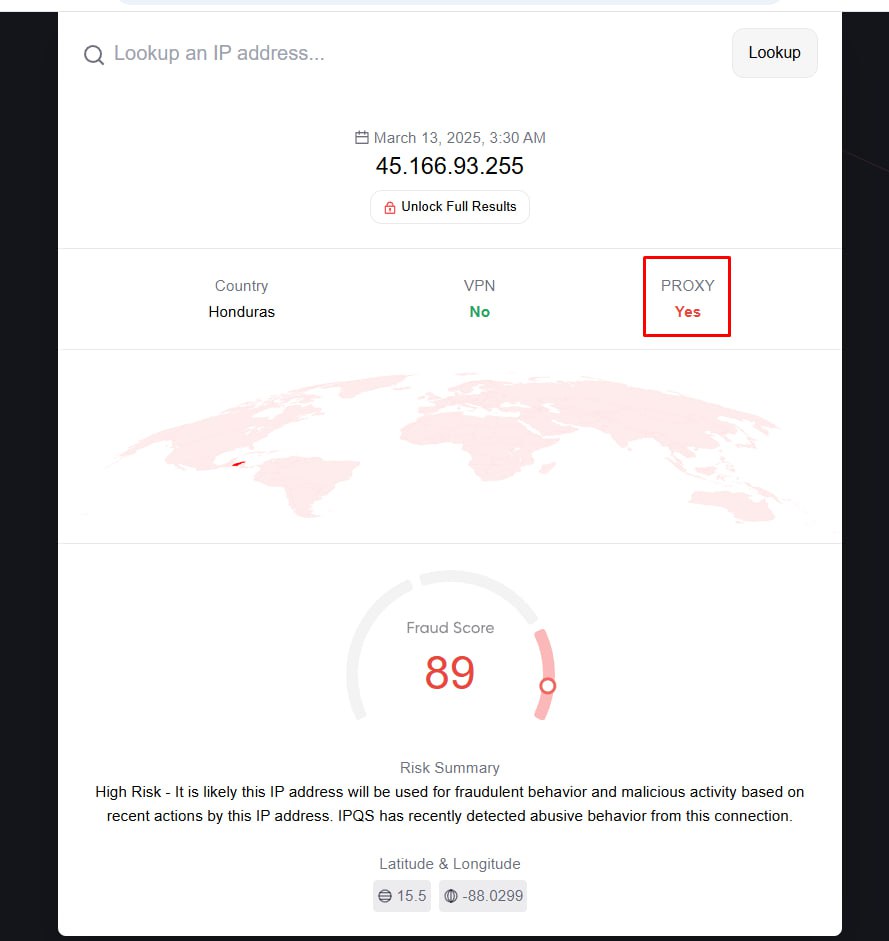
Sites like Pixelscan, Browserscan, or IPQualityScore can help you verify your proxy. If these sites flag your proxy as suspicious, it’s best to discard it. If they report “No proxy,” then it’s fine to use. In general, clean proxies might cost a bit more, but don’t cut corners by using low-quality proxies like datacenter or shared proxies. If the first security check already detects a proxy, no matter how “clean” the information or behavior is, your account is more likely to get banned. No regular user would be using a proxy.
Step 3: Combine a “good” proxy with high-quality browser emulation software
Using high-quality browser emulation software such as Anti Dolphin, AdsPower, or Hidemium is an important step to enhance security and reduce the risk of detection when managing accounts. These tools not only help hide technical traces (like IP leaks and fingerprints) but also simulate user behavior in a more natural way. Here’s why they are important:
Why you need quality browser emulation software:
TikTok (and other large platforms) doesn’t just check the IP proxy; they also analyze browser fingerprints and user behavior. Without good emulation software, issues like:
- WebRTC leak: Exposing your real IP through the WebRTC protocol.
- Canvas fingerprint: Hardware fingerprints based on how the browser renders graphics.
- User-Agent: Mismatch between the browser info and the device.
- Cookies/Tracking: Linking accounts if you’re using the same environment.
These can cause platforms to flag or ban your accounts. Software like Anti Dolphin, AdsPower, or Hidemium is designed to address these problems and enhance your account’s security.